

 Diabytes

Fully satisfied with the SC order, says Aditya Verma
Cricket Association of Bihar secretary Aditya Verma today expressed his satisfaction at the Supreme Court order which states that Retd Justice Mukul Mudgal-led three-member committee would continue with the IPL probe related to betting and spot-fixing.
Trending Photos

 7
7- 10
- 8
- 7



)
New Delhi: Cricket Association of Bihar secretary Aditya Verma on Friday expressed his satisfaction at the Supreme Court order which states that Retd Justice Mukul Mudgal-led three-member committee would continue with the IPL probe related to betting and spot-fixing.
"I am fully satisfied with the order passed by the Honourable Supreme Court on Friday giving all power to former High Court judge Mukul Mudgal to investigate the spot fixing and corruption in the IPL VI last season," Verma was quoted as saying in a press release.
"The committee will also investigate the 13 names including one of N Srinivasan that was presented to Supreme Court in a sealed envelope on February 10," Verma said.
The Honourable Supreme Court also rejected the probe committee that was suggested by the BCCI.
It also rejected the BCCI plea not to appoint the Mudgal Committee saying any leakage of the 13 names in the sealed envelope would "damage the reputation of some people in cricket beyond repair."
"The Mudgal Committee has been asked by the court to present their report by the end of August this year. During this period, Mr Sunil Gavaskar and Shivlal Yadav would continue to run the BCCI as directed by the court earlier," the release further stated.
"IPS officer BB Mishra would assist the Mudgal Committee and they will choose a police officer from Mumbai, Chennai and Delhi each to help the investigation. The committee has also been directed to select a former cricketer of repute as a part of the investigation team."
The Supreme Court also ordered the Government of India and the state governments to offer their full support to the Mudgal Committee.
The BCCI counsel prayed to the Supreme Court that N. Srinivasan should be allowed to attend the ICC meetings and the next AGM of the BCCI but the court verbally refused to grant a relief.
Stay informed on all the latest news, real-time breaking news updates, and follow all the important headlines in india news and world News on Zee News.
Advertisement
Live Tv
Advertisement
 "DNA: Uproar over freebies in Delhi!")
 "DNA: AIMIM plans to field 2020 Delhi riots accused Shahrukh Pathan")
 "DNA: A report showing the reality of Bangladesh")
 "DNA: Power Theft Allegations Against SP MP Ziaur Rahman Barq")
 "DNA: Hot Tea Linked to Cancer Risk!")
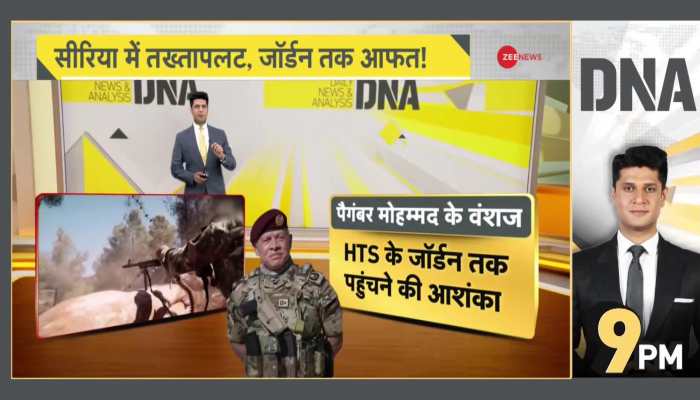 "DNA: Why Jordan Fears After Syria’s Coup?")
 "DNA: Gandhi Family Ruined My Career, says Mani Shankar Aiyar")
 "DNA: NSA Ajit Doval’s China Visit - Inside Story")
 "DNA: Ground Report- Tight Security Arrangements for Mahakumbh")
 "DNA: Who got superstar Allu Arjun arrested?")