

 Diabytes

3rd Test: West Indies 280/8 on Day 3
Live updates of Day 3 of third Test between England and West Indies.
Trending Photos

 7
7- 7
- 7
- 10


)
Zeenews Sports Bureau
Edgbaston: After struggling for wickets initially, England bowlers clicked as a unit as they managed to pick 8 wickets at the third day of the Edgbaston Test.
Scorecard »
Marlon Samuels made 76 runs with the bat while wicketkeeper Denesh Ramdin (60*) remained unbeaten at the end of day's play.
Graham Onions and Tim Bresnan picked three wickets each and another pacer Stuart Finn scalped two wickets.
England won the toss and decided to bowl first against West Indies in the 3rd and final Test.
The toss finally took place after two full days were washed out due to incessant rain at Edgbaston.
England: 1 Andrew Strauss (capt), 2 Alastair Cook, 3 Jonathan Trott, 4 Kevin Pietersen, 5 Ian Bell, 6 Jonny Bairstow, 7 Matt Prior (wk), 8 Tim Bresnan, 9 Graeme Swann, 10 Graham Onions, 11 Steven Finn
West Indies: 1 Adrian Barath, 2 Kieran Powell, 3 Assad Fudadin, 4 Darren Bravo, 5 Narsingh Denarine, 6 Marlon Samuels, 7 Denesh Ramdin (wk), 8 Darren Sammy (capt), 9 Tino Best, 10 Ravi Rampaul, 11 Sunil Narine
Stay informed on all the latest news, real-time breaking news updates, and follow all the important headlines in india news and world News on Zee News.
Advertisement
Live Tv
Advertisement
 "DNA: Indian Navy Successfully Tests Long-Range Missile")
 "DNA: Government’s Shocking Statement on Indian Railways' Blankets")
 "DNA: Shocking ‘Vote Jihad’ Allegation Surfaces in Delhi")
 "DNA: Eknath Shinde Steps Back, BJP to Decide CM")
 "DNA: Where Is Bushra Bibi Amidst Pakistan’s Chaos?")
 "DNA: Chhattisgarh Couple Promotes Helmet Safety at Wedding, Video Goes Viral")
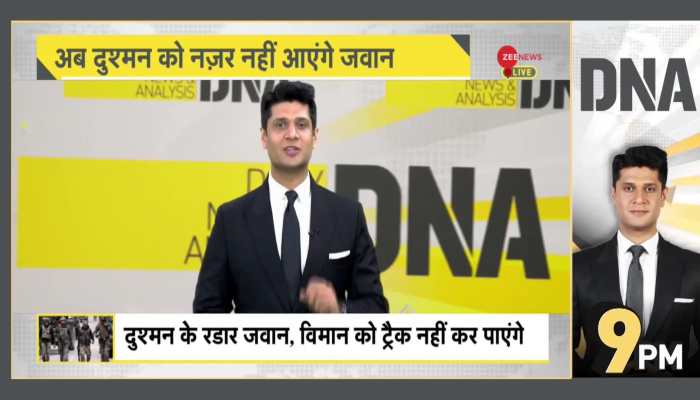 "DNA: IIT Kanpur Develops ‘Invisible’ Shield for Indian Army!")
 "DNA: AIMPLB's 'provocative plan' on Waqf leaked!")
 "DNA: Sambhal riots- shocking revelations in police FIR")
 "DNA: Violence Erupts in Bangladesh After ISKCON Monk Chinmoy Das’ Arrest")