

 Diabytes

Bhuvneshwar shines in Sunrisers much-needed win
A fine bowling performance by pacer Bhuvneshwar Kumar helped Sunrisers Hyderabad beat Rajasthan Royals by 32 runs for a much-needed win in their Indian Premier League (IPL) clash at the Sardar Patel Stadium in Motera here Thursday.
Trending Photos

 10
10- 7
- 7
- 7




)
Ahmedabad: A fine bowling performance by pacer Bhuvneshwar Kumar helped Sunrisers Hyderabad beat Rajasthan Royals by 32 runs for a much-needed win in their Indian Premier League (IPL) clash at the Sardar Patel Stadium in Motera here Thursday.
Sunrisers Hyderabad jumped two places to fifth to keep their campaign on track while Rajasthan Royals suffered their first loss in their newly-adopted home.
In a low-scoring encounter, Kumar picked up four for 14 and Dale Steyn got two for 31 as Sunrisers Hyderabad bowlers atoned for the poor performance of their batsmen.
Rajasthan Royals batsmen had to blame themselves as they gifted away their wickets while chasing a small target of 135 and were bowled out for 102 runs with a ball to spare.
Kumar struck in the very first over to get rid of opening batsman Ajinkya Rahane for a duck and did well in the death overs as he picked up three wickets in the 18th over for just two runs.
In fact, Sunrisers Hyderabad pacers were superb in the death overs as they conceded just 23 runs in the last five overs.
Steve Smith was the top scorer with just 22 while Sanju Samson made run-a-ball 16.
Earlier, inspiring bowling performances by Rajasthan Royals skipper Shane Watson and Rajat Bhatia restricted Sunrisers Hyderabad to 134 for nine in 20 overs.
Watson picked up three for 13 while Bhatia also got three for 23. For Sunrisers Hyderabad, skipper Shikhar Dhawan was the top scorer with 33 while Irfan Pathan remained unbeaten on 21.
Dhawan had given the Sunrisers Hyderabad a good starr with his brief 20-ball knock that had seven fours. But after he departed in the fourth over, the Sunrisers innings lost momentum and wickets kept falling in regular intervals.
Dhawan lauded the team for a comprehensive win
"We didn`t have too many runs, so I said it was up to us if we played like warriors or losers," he said.
"The boys really responded really well. The wicket turned, especially Mishra turned the ball and also Karan," he added.
Kumar, who was adjudged Man of the Match, said he has improved bowling in the death overs.
"Since coming into T20s, I have improved a lot in the death overs. The seam position is my strength in the early overs," he said.
Watson took the responsibility for Rajasthan Royals defeat.
"We bowled extremely well. But more than anything, we misread the conditions a bit. I take the full responsibility for that as a captain. We are learning about these conditions, will get better. There weren`t too many bad shots, just that the high-quality balls. They have world-class bowlers," he said.
Stay informed on all the latest news, real-time breaking news updates, and follow all the important headlines in india news and world News on Zee News.
Advertisement
Live Tv
Advertisement
 "DNA: Uproar over freebies in Delhi!")
 "DNA: AIMIM plans to field 2020 Delhi riots accused Shahrukh Pathan")
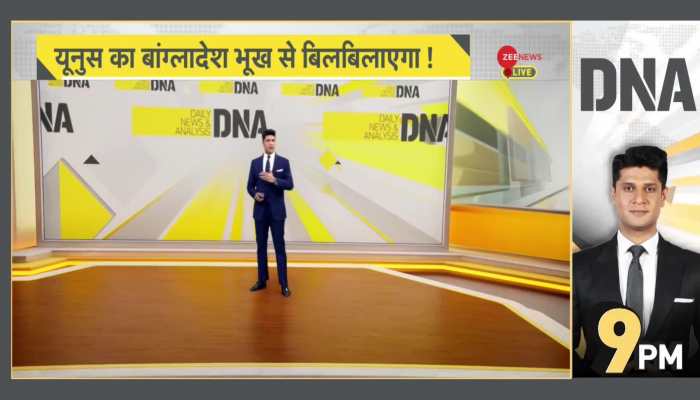 "DNA: A report showing the reality of Bangladesh")
 "DNA: Power Theft Allegations Against SP MP Ziaur Rahman Barq")
 "DNA: Hot Tea Linked to Cancer Risk!")
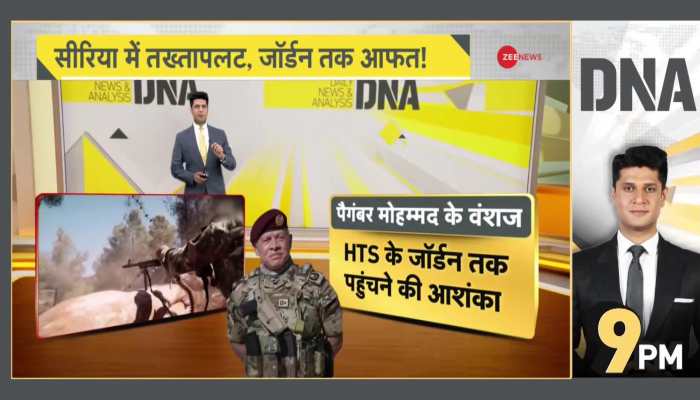 "DNA: Why Jordan Fears After Syria’s Coup?")
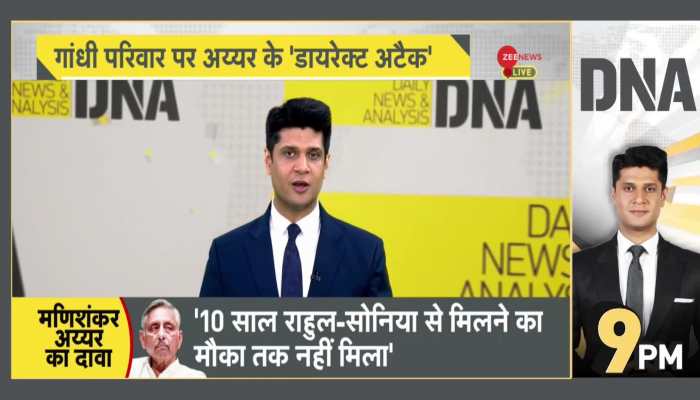 "DNA: Gandhi Family Ruined My Career, says Mani Shankar Aiyar")
 "DNA: NSA Ajit Doval’s China Visit - Inside Story")
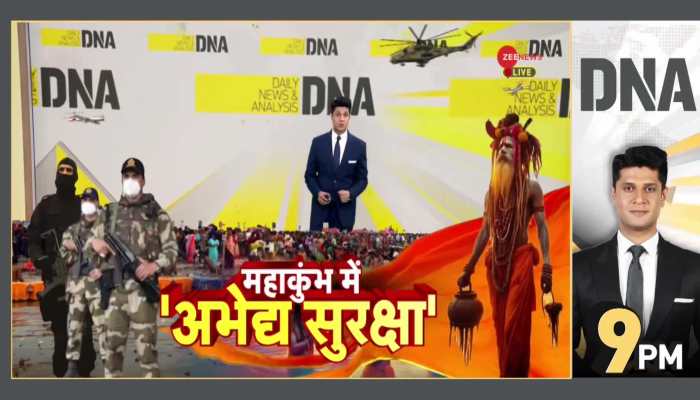 "DNA: Ground Report- Tight Security Arrangements for Mahakumbh")
 "DNA: Who got superstar Allu Arjun arrested?")