By clicking “Accept All Cookies”, you agree to the storing of cookies on your device to enhance site navigation, analyze site usage, and assist in our marketing efforts.
Cookies Setting
By clicking “Accept All Cookies”, you agree to the storing of cookies on your device and the processing of information obtained via those cookies (including about your preferences, device and online activity) by us and our commercial partners to enhance site navigation, personalise ads, analyze site usage, and assist in our marketing efforts. More information can be found in our Cookies and Privacy Policy. You can amend your cookie settings to reject non-essential cookies by clicking Cookie Settings below.
Manage Consent Preferences
Strictly Necessary Cookies
These cookies are necessary for the website to function and cannot be switched off in our systems. They are usually only set in response to actions made by you which amount to a request for services, such as setting your privacy preferences, logging in or filling in forms. You can set your browser to block or alert you about these cookies, but some parts of the site will not then work or you may not be able to login.
Functional Cookies
These cookies enable the website to provide enhanced functionality and personalisation. They may be set by us or by third party providers whose services we have added to our pages. If you do not allow these cookies then some or all of these services may not function properly.
Targeting Cookies
These cookies may be set through our site by our advertising partners. They may be used by those companies to build a profile of your interests and show you relevant adverts on other sites. They are also used to limit the number of times you see an advert as well as help measure the effectiveness of an advertising campaign. They do not store directly personal information, but are based on uniquely identifying your browser and internet device. If you do not allow these cookies, you will experience less targeted advertising.
Performance Cookies
These cookies allow us to count visits and traffic sources so we can measure and improve the performance of our site. They help us to know which pages are the most and least popular and see how visitors move around the site. All information these cookies collect is aggregated and therefore anonymous. If you do not allow these cookies we may not know when you have visited our site, and may not be able to monitor its performance.




 Diabytes




 "DNA: Why is Gandhi family 'tax free'?")
 "DNA: Why Did RBI Ban Kotak Mahindra Bank?")
 "DNA: These apps can hack and empty your bank account!")
 "DNA: Will government take your property?")
 "DNA: Video of 'Maoist conspiracy' on Rahul Gandhi's seat")
 "DNA: Jailed Sheikh Shahjahan breaks down on camera")
 "DNA: Is your car insurance fake?")
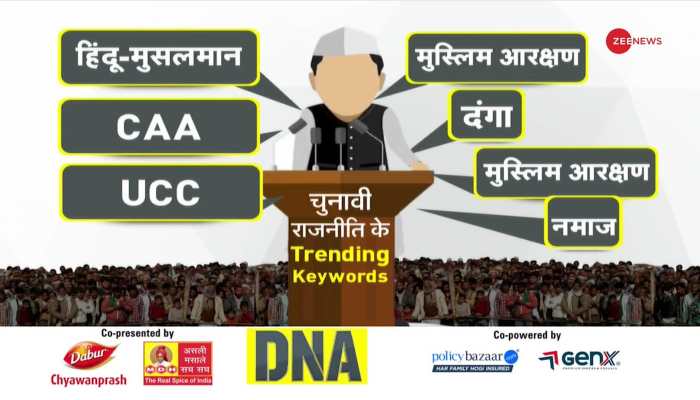 "DNA: How to stop Hindu-Muslim politics?")
 "DNA: What is saccharin and artificial sweetener?")
 "DNA: Will world drown in glacier water?")