

 Diabytes

Reconfigured n-reactors can power space flights
Researchers and engineers from the Los Alamos National Lab are reconfiguring nuclear reactors to power space flights.
Trending Photos

 7
7- 8
- 7
- 7




)
Washington: Researchers and engineers from the Los Alamos National Lab are reconfiguring nuclear reactors to power space flights.
Current space missions use power supplies that generate as much electricity as one or two light bulbs. The availability of more power could boost the speed with which mission data is transmitted back to Earth.
The Los Alamos team recently showed how a heat pipe can cool a small nuclear reactor and power a Stirling engine at the Nevada National Security Site`s device assembly facility near Las Vegas.
Developed at Los Alamos in 1963, heat pipe technology is a sealed tube with an internal fluid that can efficiently transfer heat produced by a reactor with no moving parts, according to a Los Alamos statement.
A Stirling engine is a relatively simple engine that converts heat energy into power using a pressurized gas to move a piston. Using the two devices together allowed for creation of a simple, reliable electric power supply that can be adapted for space applications.
Demonstration Using Flattop Fissions (DUFF) is the first to show how a space nuclear reactor system can produce electricity, and the experiment confirms basic nuclear reactor physics and heat transfer for a simple, reliable space power system.
The DUFF experiment produced 24 watts of power. Engineers from Los Alamos, NASA Glenn Research Centre and National Security Technologies LLC (NSTec) conducted the experiment.
"The nuclear characteristics and thermal power level of the experiment are remarkably similar to our space reactor flight concept," said Los Alamos engineer David Poston.
"The heat pipe and Stirling engine used in this test are meant to represent one module that could be used in a space system," said Marc Gibson of NASA Glenn.
"A flight system might use several modules to produce approximately one kilowatt of electricity."
IANS
Stay informed on all the latest news, real-time breaking news updates, and follow all the important headlines in india news and world News on Zee News.
Advertisement
Live Tv
Advertisement
 "DNA: Power Theft Allegations Against SP MP Ziaur Rahman Barq")
 "DNA: Hot Tea Linked to Cancer Risk!")
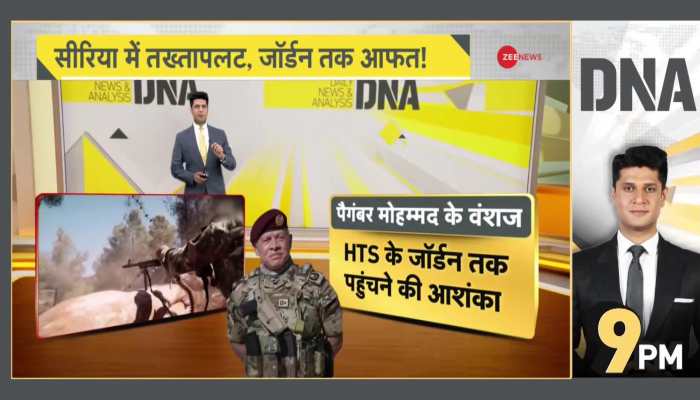 "DNA: Why Jordan Fears After Syria’s Coup?")
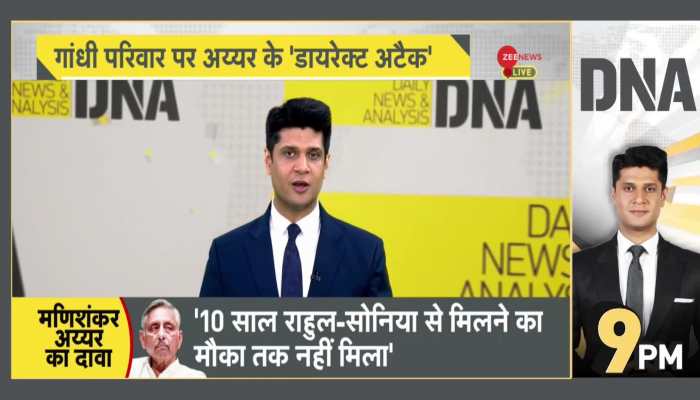 "DNA: Gandhi Family Ruined My Career, says Mani Shankar Aiyar")
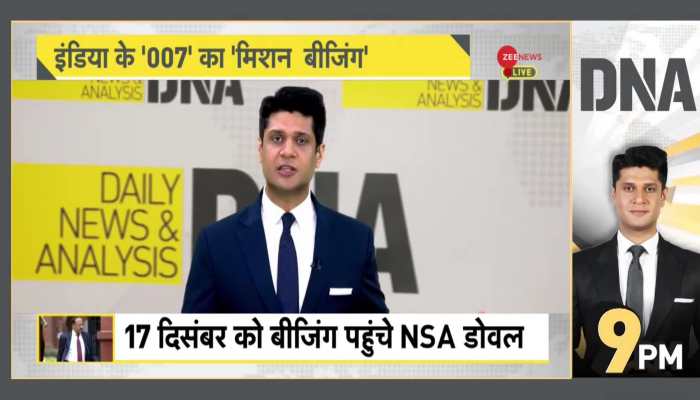 "DNA: NSA Ajit Doval’s China Visit - Inside Story")
 "DNA: Ground Report- Tight Security Arrangements for Mahakumbh")
 "DNA: Who got superstar Allu Arjun arrested?")
 "DNA: US announces 100-point plan for Islamophobia")
 "DNA: Revelation! Were rioters outsiders in Sambhal?")
 "DNA: Why Muslims in UP Tracing Their Hindu Roots?")