WHO
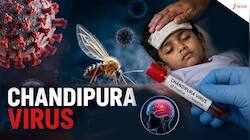
The Chandipura virus outbreak in Gujarat has claimed the lives of 22 children, raising fresh concerns during the monsoon season. Here's everything you need to know about the virus, its symptoms, how it spreads, and more.
Malaria may no longer dominate headlines the way it once did, but it hasn’t disappeared. Spread by infected mosquitoes, it still affects millions each year. On World Malaria Day 2026, the focus isn’t just on the ongoing fight, but also on these hard-won victories. The World Health Organization (WHO) tracks and certifies nations that have reached malaria-free status, and that list is steadily growing.
World Malaria Day highlights the continued global threat of malaria and other mosquito-borne diseases. Experts warn that infections like dengue, chikungunya, and Zika remain major health concerns, especially in tropical regions. Prevention through hygiene, eliminating stagnant water, and early diagnosis is key to reducing the risk of these diseases.
The two infections were detected in West Bengal’s North 24 Parganas district. According to WHO, the cases are confined to that area only.
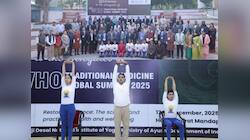
A WHO summit delegation visited MDNIY to study India’s integration of Yoga with modern medicine, research and public health, highlighting global collaboration, evidence-based practice, and Yoga’s role in universal healthcare.
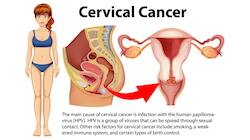
On the first-ever World Cervical Cancer Elimination Day, the UN revealed a shocking truth: cervical cancer, one of the most preventable and treatable diseases, still claims a woman’s life every two minutes. With most deaths occurring in low-income nations due to poor access to HPV vaccines and screening, global health leaders are urging immediate action.

It is aimed at replicating and scaling successfully implemented AI solutions across the Global South, the Casebook will serve as a comprehensive repository of impactful AI-driven initiatives.

Tobacco exposure, even before birth, significantly raises the risk of stunted growth in children. Maternal smoking leads to low birth weight, preterm birth, and long-term developmental issues. WHO urges stricter tobacco control laws and smoke-free environments to safeguard child health.

According to the World Health Organization (WHO), approximately 2.2 billion people worldwide experience near or distant vision impairment.

“The study suggests that potassium salt substitute significantly reduced the risks of stroke recurrence and death"
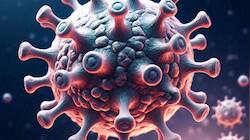
The Union Health Ministry convened a Joint Monitoring Group Meeting in view of rising cases of respiratory illnesses in China in the past few weeks.

Recent reports from China show an increase in hospitalizations due to respiratory illnesses, with some people wearing masks in hospitals, reminiscent of the COVID-19 pandemic's early days.

The World Health Organization urges countries to strengthen policies promoting healthy diets and physical activity to combat rising overweight, obesity, and noncommunicable diseases.
WHO published its first-ever guidance on wastewater and solid waste management for antibiotic manufacturing The new guidance provides much-needed information on the environmental damage caused by the manufacturing of medicines It showed that consumers worldwide are unaware of how to dispose of antibiotics when they are not used
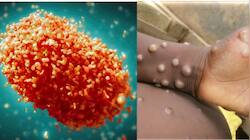
The six-month plan, covering the period from September 2024 to February 2025, requires an estimated US$135 million to support the response efforts of WHO.
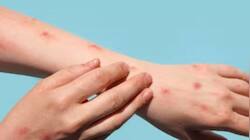
Thailand has reported its first case of the highly transmissible Clade 1b strain of Mpox.
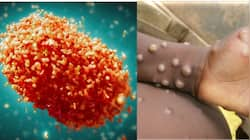
In response to the potential threat, the health ministry has designated three hospitals in Delhi as key centers for the isolation, management, and treatment of any Mpox cases.
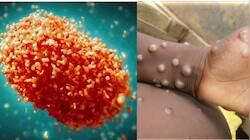
The last confirmed case of Mpox in India was reported in March 2024, in the state of Kerala, according to official sources from the Ministry of Health.
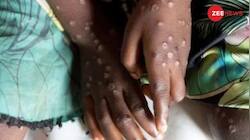
WHO Director General said that a public health emergency of international concern represents the highest level of alert under international health law.
The World Blood Donor Day is observed on June 14 of every year all over the world. This year's theme is "20 years of celebrating giving: thank you, blood donors". On this day, people are inspired to give blood, save lives, and spread awareness of the advantages of doing so.
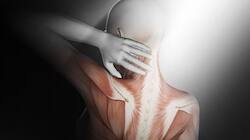
Multiple Sclerosis (MS) is a complex, chronic, autoimmune, and neurological disease that primarily affects the central nervous system, leading to a range of symptoms and health issues.
Trending
- News
- Photos
- Videos